
Your brain is built on narratives. Tell it a positive one.
The neuroscience behind self-belief self-efficacy, and how to develop these SKILLS

Hello and welcome to this edition of The NeuroNinja Newsletter!
Action Your Potential (AYP) is all about helping people unlock the gift of themselves – through the transformative power of neuroscience.
If you missed last week’s edition, you can catch up here!
This week we delve into the neuroscience of narratives and how to practice self belief.
I ran a marathon (again!)
Pause for applause.
Thank you, thank you! At the time of writing this my legs and feet are still not my biggest fans…
I think it goes without saying, a marathon is a LONG WAY and a very hard thing to run. Something I felt first-hand on Sunday…
As I now reflect on it, events like this demonstrate a profound truth and capability of our brains.
Your brain is built on narratives.
To understand what on earth this subhead means, I need to warn you we’re about to get a bit loopy.
Your brain builds models for everything. These models are built on experiences, based on our perception of events, emotional reactions to things, etc. These models are very strong, and especially emotionally salient models are retained throughout our lives.
For example, if I asked you to imagine your childhood bedroom right now – it would probably come to you pretty quickly. Not only that, but if I asked you to find a pair of shoes, or to head to the front door – you would likely be able to mentally navigate this space quite easily.
Now for the loopy bit.
Your body and your brain project the mind. You are not in charge of the system, instead you are a product of it. This means that your mind is very basically your brain’s model of yourself.
Wacky right?
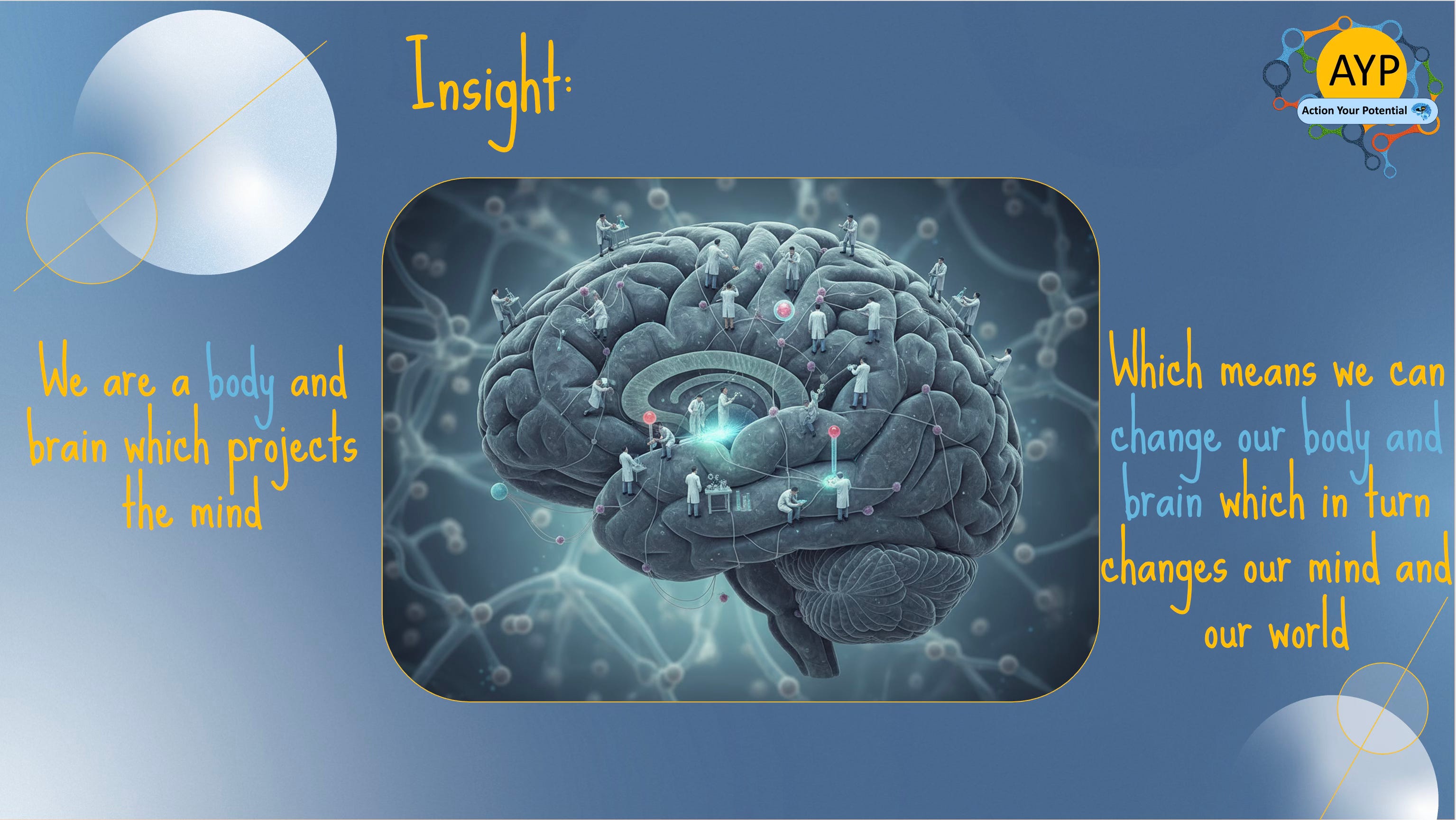
This can come with some profound challenges. Specifically, since our brain is built on models of ourselves we’ve built throughout our lives, we will have some very unfair and untrue views of ourselves and our capabilities.
For example, in school I was, lets just say – less than athletic. I was far more into Computer Science, video games and Marvel Movies. So when rugby team selection came up, it wasn’t really my ball park.
Often being picked last and then subsequently flattened out in the mud by the better players, my brain was diligently building narratives.
These narratives, built subconsciously, changed my brains model of myself. Believing myself not to be a sporty person, not to be a good person on a team, not fit enough etc.
These narratives went unchallenged…
… and as I continued to grow it just became a fact that I wasn’t someone who ‘did sports’.
How I wish I could show 17 year old Adam this photo.

You have to CHALLENGE these narratives.
I won’t bore you with the whole journey from there to here, but it starting by deciding to challenge myself – and crucially – that narrative of myself.
The really challenging thing is, because our consciousness is literally generated from these narratives in neural architecture form – it means our mind is literally built from these narratives.
Your mind is built on false beliefs about yourself. This makes it so much harder to challenge this view as it’s often not something we can possibly even notice, or articulate. We just “aren’t X type of person”
What kinds of narratives?
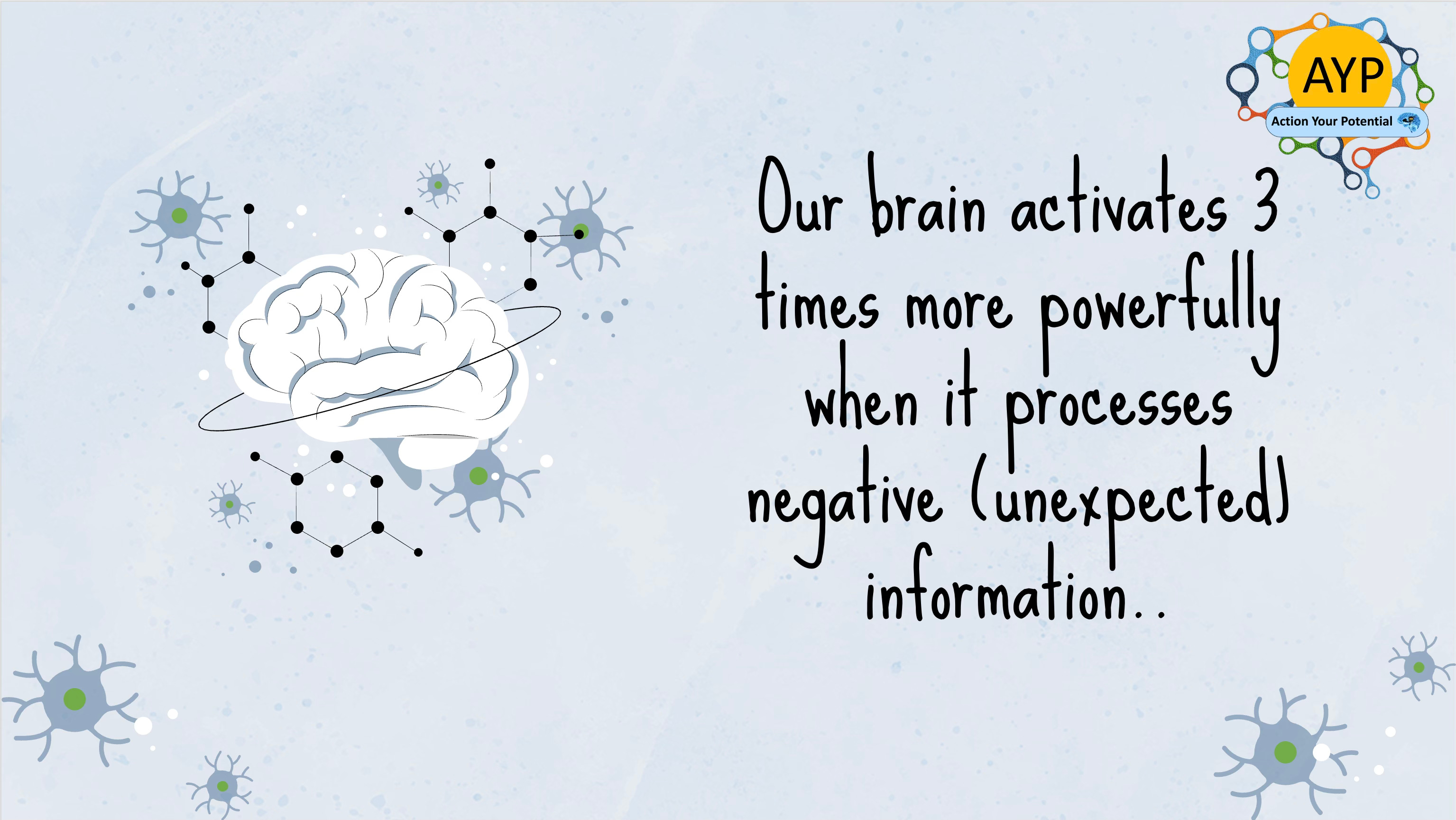
Another punch in the gut here is that our brains are negatively biased. This means we react 3x more powerfully when encountering negative information. Apply this to our understanding of ourselves, negative narratives are going to carry a lot more emotional weight.
In our work we often discover people’s internal narratives sound something like a combination of these things:
“I’m lazy”
“I’m unfit”
“I’m boring”
“I’m not a productive person”
“I’m not a kind person”
“I can’t do that”
“I’m not likeable”
“I’m not smart”
etc etc etc
The great news is. These things are not true, and we can change this perception.
How?
Well it’s not a one-size-fits-all approach here, but there are a few surefire ways we can challenge negative and toxic narratives about ourselves.
I like to move it move it
Movement is PROFOUND for our brain. I think when we talk about exercise and fitness it always ends up as a discussion around the body health benefits – which are clearly enormous as well!
But movement is also very positive for our brains, for a myriad of reasons.
One crucial one is the release of hormones, endorphins, neurotransmitters and neuromodulators.
One such neuromodulator is BDNF - a chemical which literally creates more connections in your brain!
Do it anyway!
When it comes to challenging these narratives, we also need to understand that your brain doesn’t mind a super negative perception of oneself.
If your brain reckons you’re a really shy awkward person, it doesn’t mind that. You’re safe!! So it’s all over that.
This means that there will likely be an enormous amount of cognitive dissonance generated when we attempt to challenge these narratives.
More on this in last week’s edition: read here.
Key takeaway. Do it scared. Do it anyway. In doing it your brain is building a new narrative about yourself.
Talk about it!
We are very pro-therapy, and that’s not just because the Apple TV show Shrinking is my personal favourite at the moment. (Harrison Ford 🥹❤️🩹)
At it’s most basic, what therapy does is provide our brains a model for thinking about our thinking. This new model for our thinking can often mean we approach issues, events and moments in a different manner which over time profoundly redresses certain narratives we have about ourselves.
Wrap up
Running a marathon is no small feat – and it turns out, neither is challenging the stories we tell ourselves. Your brain is constantly building models of who you are, shaped by years of experiences, emotional reactions, and – crucially – a rather unfair negative bias.
Those quiet inner narratives aren’t just passing thoughts; they’re woven into the very architecture of your mind.
The good news? They’re absolutely not fixed.
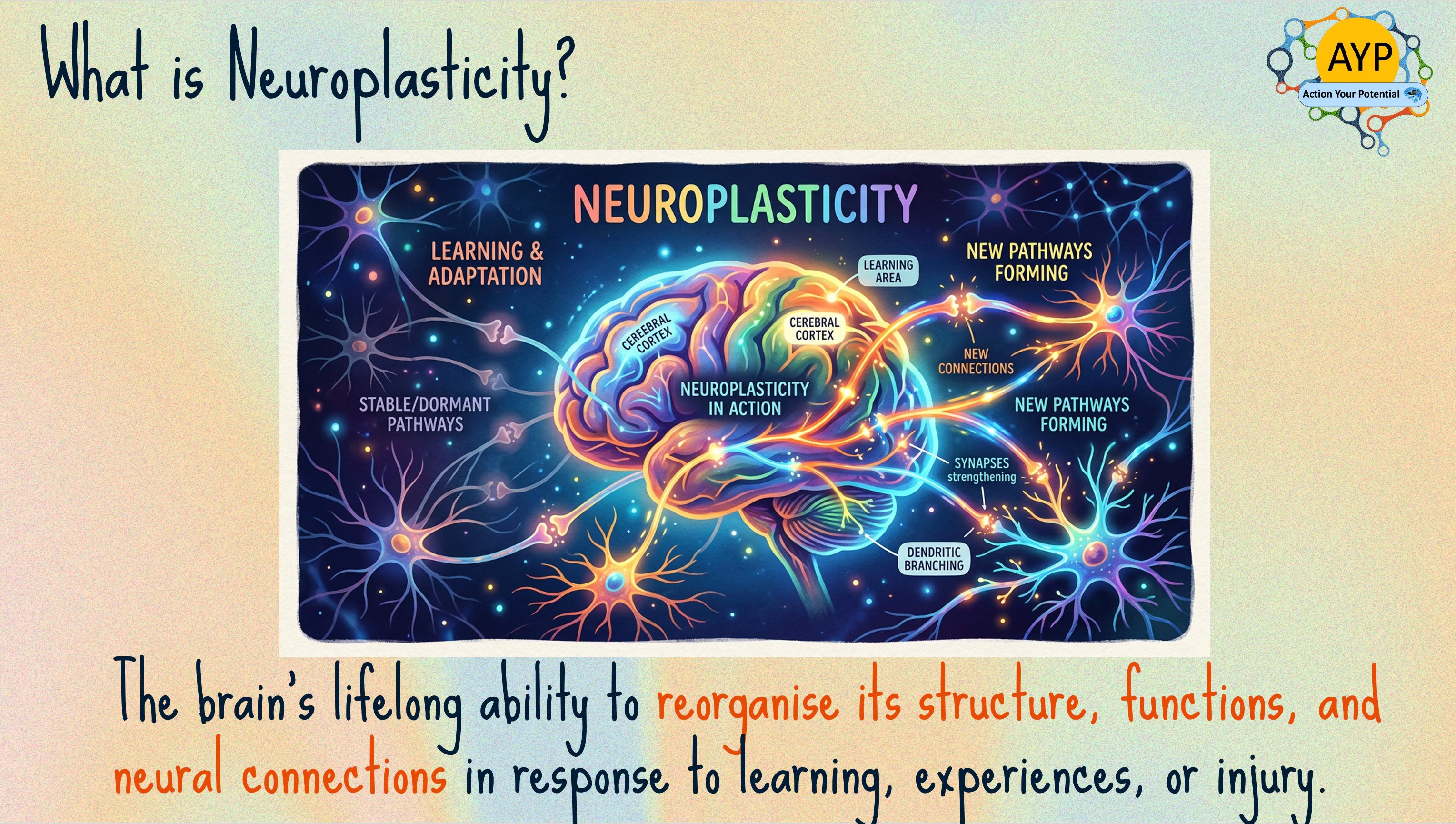
From getting moving to doing things scared, to talking it through with someone – there are real, practical ways to start rewriting those narratives. The brain is remarkably adaptable, and every time you push past what you thought you were capable of, you’re giving it fresh material to work with.
As someone who once considered himself thoroughly un-sporty and has since crossed multiple marathon finish lines, trust me – the story can change.
Did someone say… Podcast?!
Our podcast One Brain At A Time releases every Monday! This week Andy and I delved into Action Your Potentials (infamous?!) 12 Rocks of Well-Being!
You can watch the full episode on Youtube:
… and listen wherever you get your podcasts! 🎧
Our show is available on all major podcast platforms
📲 we’re on social media too!
Follow us on social media!
📜 Why not subscribe, whilst you’re here 😉!
Join the hundreds of people who read this newsletter every Friday! Just click the button below to subscribe for free.
Thank you for reading this edition of The NeuroNinja Newsletter!
The NeuroNinja Newsletter was written by Adam Wright. Edited by Angela Wright.